

Running a newsletter is one part passion, one part business. While creating great content is the core of your work, getting paid for it can feel like a totally separate job. Many creators get stuck in spreadsheets, manually tracking sponsors, chasing payments, and juggling different income streams. This manual work takes up a lot of time and pulls you away from writing.
This guide cuts through the noise. We are diving into the best small newsletter monetization tools available today, helping you move beyond basic platform features and into a more scalable system. Choosing the right tool isn't just about making money. It's about building a sustainable operation that respects your time. To effectively monetize your newsletter, understanding broader principles of how to explore content monetization strategies is also helpful.
Whether you want to sell subscriptions, manage sponsorships without the headache, or find passive income streams, there is a tool here designed for your specific situation. We will look at platforms like Ad Slots for automating ad sales, beehiiv for integrated growth features, and specialized marketplaces like Paved that connect you with brands.
Each option includes a breakdown of core features, ideal use cases, honest pros and cons, and current pricing to help you pick the right platform. You will find screenshots and direct links for every tool, so you can see exactly how they work and decide which one fits your workflow. Let's find the best fit to grow your revenue and get your time back.
1. Ad Slots
Ad Slots is a powerful, purpose-built ad operations platform. It replaces the chaotic spreadsheet management common among newsletter creators who sell direct sponsorships. It is an excellent choice for solo writers and small teams looking for a professional and automated system to manage ad inventory, invoicing, and sponsor communications without the steep learning curve of enterprise software. The platform saves significant time while preventing costly mistakes like missed placements or forgotten invoices.
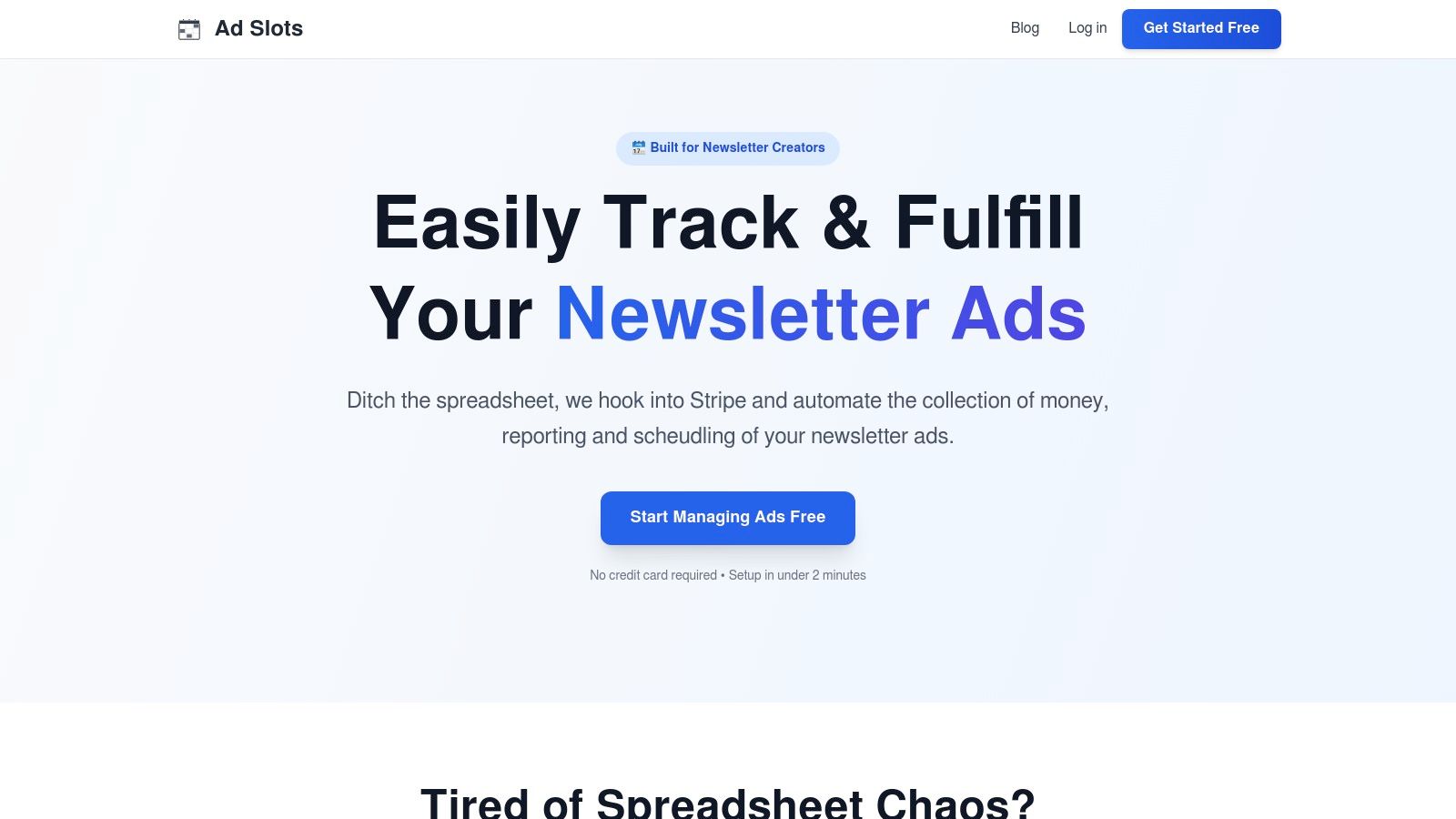
Its core strength is a streamlined workflow centered around a visual ad calendar. This interface provides an at-a-glance overview of all your ad slots. It clearly marks their status as available, pending, or fulfilled, which makes it nearly impossible to double-book or overlook a commitment. For example, a creator managing three different sponsorship tiers can instantly see which slots are open in the coming months, making it easy to answer an advertiser's inquiry in real-time instead of digging through emails.
Why Ad Slots Stands Out
Ad Slots excels by focusing on the three most time-consuming aspects of sponsorship management: tracking, invoicing, and ad copy creation. Its direct Stripe integration is a standout feature. It automates the entire payment process from invoice generation to payment reconciliation. When you mark a sponsorship deal as confirmed, Ad Slots can automatically send a professional Stripe invoice to your sponsor. This saves you from manual follow-ups and awkward payment reminder emails.
Another key differentiator is the built-in AI ad writer. Instead of staring at a blank page, you can input a sponsor's URL and a brief description. The tool generates multiple high-quality ad copy variations in seconds. This feature alone can reclaim hours each month, allowing you to focus on content creation rather than administrative tasks.
Core Features & Use Cases
| Feature | Best For |
|---|---|
| Visual Ad Calendar | Solo creators or teams managing multiple newsletters who need to see inventory status instantly. |
| Stripe Invoice Sync | Anyone looking to automate payment collection and eliminate manual invoice tracking. |
| AI Ad Copy Generator | Writers who want to speed up the ad creation process and provide polished copy to sponsors. |
| Automated Notifications | Improving the sponsor experience with timely updates on ad placements and payments. |
Pricing:
- Starter Plan: Free for up to 5 active sponsors and 25 AI-generated ads per month.
- Growth Plan: $49/month for unlimited sponsors, full Stripe automation, and unlimited AI copy generation.
Pros:
- Drastically reduces administrative time spent on tracking and invoicing.
- The calendar-first interface prevents common scheduling errors.
- AI copy generator streamlines the ad creation workflow.
- Professionalizes the entire sponsorship process from booking to payment.
Cons:
- Lacks native integrations for auto-publishing ads to platforms like Beehiiv or Substack; ad copy must be manually pasted.
- The most powerful automation features are locked behind the $49/month Growth plan.
Website: https://adslots.co
2. Substack
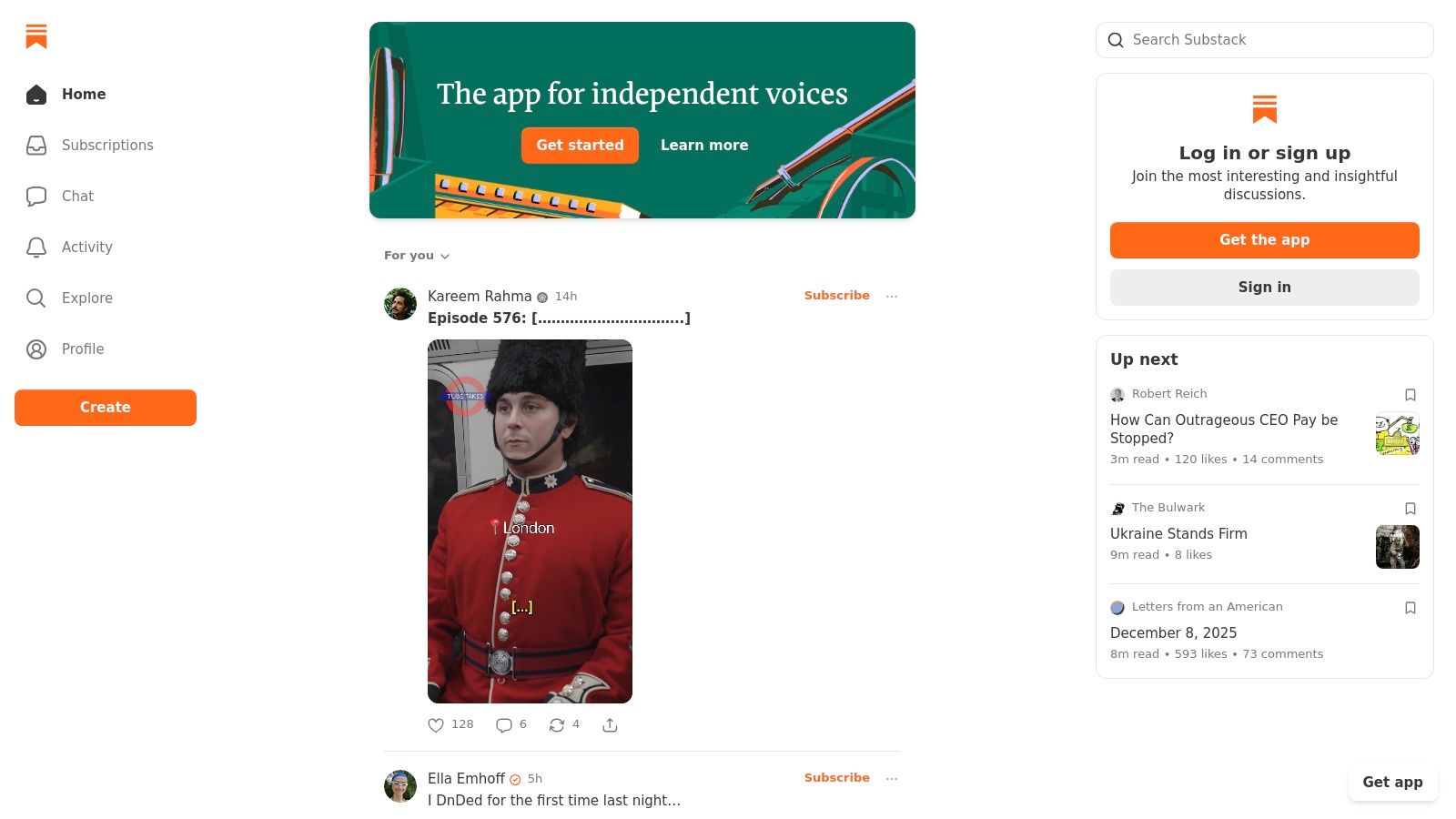
Substack is an all-in-one platform designed for creators who want the fastest path from an idea to a monetized newsletter. It bundles email delivery, web hosting, and a simple payment system into a single, cohesive package. This makes it an excellent starting point for new writers focused on paid subscriptions.
Its core strength is its simplicity. Within minutes, you can set up a publication, connect a Stripe account, and create paid subscription tiers, typically $5 per month or $50 per year. This frictionless setup removes the technical barriers common with other small newsletter monetization tools. It allows you to focus entirely on writing and growing your audience. Substack also helps with discovery through its network recommendations and "Notes" feature, which can expose your work to new potential subscribers. For instance, Lenny's Newsletter, a popular Substack publication, grew to over 500,000 subscribers by leveraging both high-quality content and the platform's built-in discovery tools.
Core Features & Pricing
Substack's model is performance-based. You only pay a fee when you start earning money from paid subscriptions.
- Integrated Paid Tiers: Easily create monthly and annual subscription levels.
- Built-in Hosting: Every publication gets a simple, clean website.
- Discovery Network: Gain visibility through platform recommendations and the Notes social feed.
- Multimedia Support: You can host podcasts and videos directly within your feed.
Pricing: Substack takes a 10% platform fee on every paid subscription transaction. This is in addition to Stripe's payment processing fees, which are typically around 2.9% + $0.30 per transaction. So, for a $10 monthly subscription, you would keep roughly $8.71.
Ideal Use Case
Substack is perfect for the solo creator or writer whose primary monetization goal is direct reader support through paid subscriptions. If your business model revolves around building a loyal community willing to pay for your content, and you want to avoid technical setup and monthly fees, Substack is tailor-made for you. However, those looking to monetize primarily through sponsorships may find its tooling limited. If you are running sponsorships, you can explore some of the best Substack sponsor tracking tools to help manage your campaigns.
Pros & Cons
- Pro: The fastest, easiest setup to launch a paid newsletter.
- Pro: No upfront monthly costs; you pay as you earn.
- Con: The 10% platform fee can become significant as your revenue grows.
- Con: Lacks the advanced segmentation and automation features of dedicated email service providers.
Website: https://substack.com
3. beehiiv
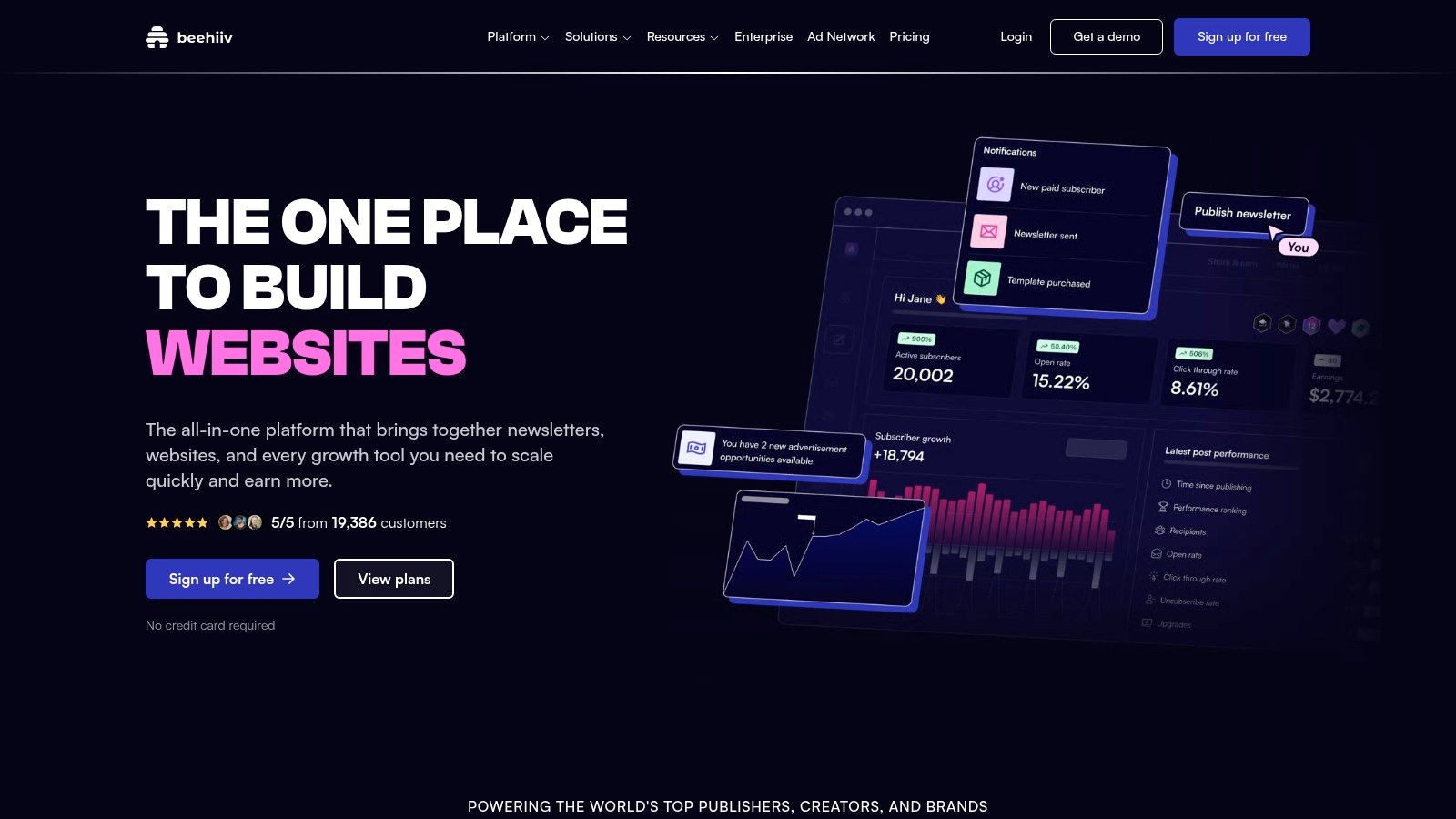
beehiiv is a modern newsletter platform built with growth and monetization at its core. It goes beyond a simple publishing tool. It offers a suite of built-in features designed to help creators earn money through sponsorships, paid subscriptions, and audience growth referrals. This makes it a powerful contender among small newsletter monetization tools.
Its key differentiator is the integrated Ad Network, which connects writers with advertisers directly within the platform. This removes the manual outreach often required for securing sponsorships. Creators can also use "Boosts" to get paid for recommending other newsletters, turning audience growth into a revenue stream. A practical example is a finance newsletter earning $2.50 for every verified subscriber they refer to a marketing newsletter through Boosts. This focus on diverse monetization channels makes it an excellent choice for creators who want to build multiple income streams from their work.
Core Features & Pricing
beehiiv's monetization tools provide a native, all-in-one experience. This gives creators more control over their revenue without needing third-party integrations for basic functions.
- Integrated Ad Network: Access a marketplace of sponsors for automated ad placements.
- Direct Sponsorship Tooling: Manage your own sponsorship deals with storefronts and performance tracking (CPM/CPC).
- Boosts & Recommendations: Earn money for every subscriber you refer to other newsletters on the network.
- Paid Subscriptions: Create premium tiers with a 0% platform fee, a major advantage over competitors.
Pricing: beehiiv offers a free plan, but monetization features require a paid plan. The Grow plan is $42/month (billed annually), and access to the Ad Network requires the Scale plan at $84/month (billed annually). Stripe processing fees still apply to paid subscriptions.
Ideal Use Case
beehiiv is ideal for the growth-focused creator who wants to diversify their revenue beyond just paid subscriptions. If you want to tap into sponsorships without the hassle of manual sales and invoicing, or if you want to monetize your audience growth through referrals, beehiiv provides the native tooling to do so. The 0% platform fee on subscriptions is also a huge draw for writers who want to maximize their direct reader support. For those managing complex campaigns, you can explore the beehiiv ad management integration for even more advanced tracking.
Pros & Cons
- Pro: Multiple built-in monetization tools (ads, boosts, subscriptions).
- Pro: 0% platform fee on all paid subscription revenue.
- Con: Access to the valuable Ad Network is locked behind the more expensive Scale plan.
- Con: Ad placements and revenue from the network are not guaranteed and depend on advertiser demand.
Website: https://www.beehiiv.com
4. Ghost (Ghost(Pro))
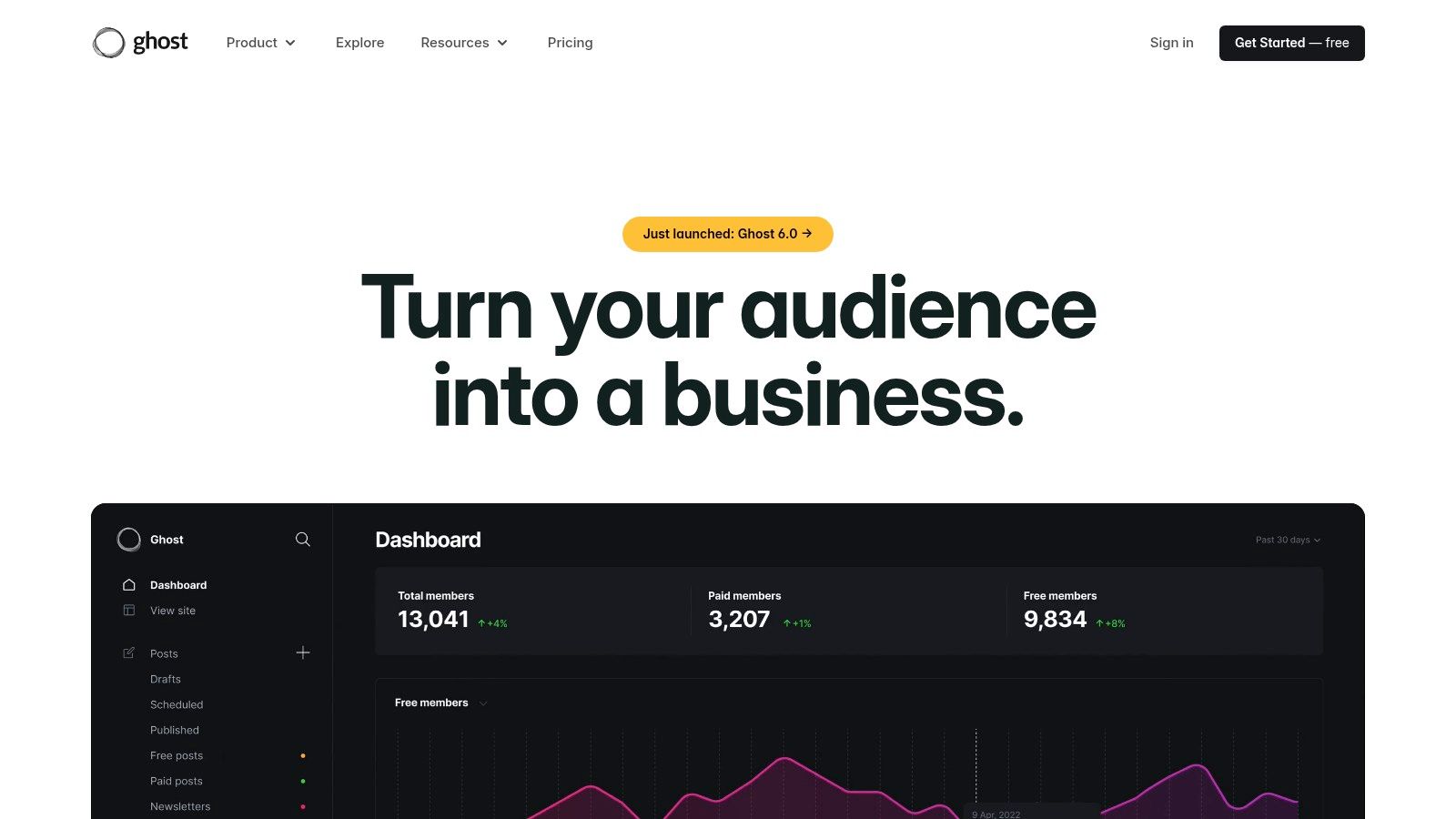
Ghost is an open-source publishing platform built for creators who want full control over their brand, content, and revenue. It merges a powerful website builder with native newsletter and membership tools. This offers a sophisticated alternative to all-in-one platforms while avoiding platform fees on your earnings. This makes it a strong contender among small newsletter monetization tools for serious publishers.
Its main advantage is ownership. Unlike closed ecosystems, Ghost gives you complete design freedom and direct control over your audience list. You can create a beautifully branded site and run a paid newsletter directly from the same dashboard. Monetization is handled through a native Stripe integration, allowing you to set up paid tiers, offer free trials, and manage members without ever giving a percentage of your subscription revenue to the platform. The publisher Every, for instance, uses Ghost to power its bundle of newsletters, giving them total design control and saving thousands in platform fees compared to a revenue-share model.
Core Features & Pricing
Ghost's pricing is based on a fixed monthly fee for its hosted version, Ghost(Pro), determined by audience size. It does not take a cut of your subscription revenue.
- Native Memberships: Build paid tiers with monthly and annual plans directly into your site.
- 0% Platform Fees: You keep 100% of your subscription revenue, minus standard Stripe processing fees.
- Custom Branding: Extensive theme customization allows you to create a unique website that matches your brand.
- Integrated Email & SEO: All the tools needed for publishing, sending newsletters, and optimizing for search are in one place.
Pricing: Hosted Ghost(Pro) plans start at $9 per month (billed annually) for up to 500 members. You can also self-host the software for free if you have the technical expertise.
Ideal Use Case
Ghost is ideal for the established creator, independent journalist, or small publisher who wants to build a long-term, scalable media brand. If you prioritize design control, want to avoid revenue-sharing models, and are comfortable with a slightly more hands-on setup, Ghost provides the professional tools to grow your business without punishing your success with high fees.
Pros & Cons
- Pro: A 0% platform fee on subscriptions means you keep significantly more revenue as you grow.
- Pro: Offers powerful branding and website customization options.
- Con: Requires more initial setup and technical management than turnkey platforms.
- Con: The fixed monthly cost can be a hurdle for creators who are just starting out with no revenue.
Website: https://ghost.org
5. Kit (formerly ConvertKit)
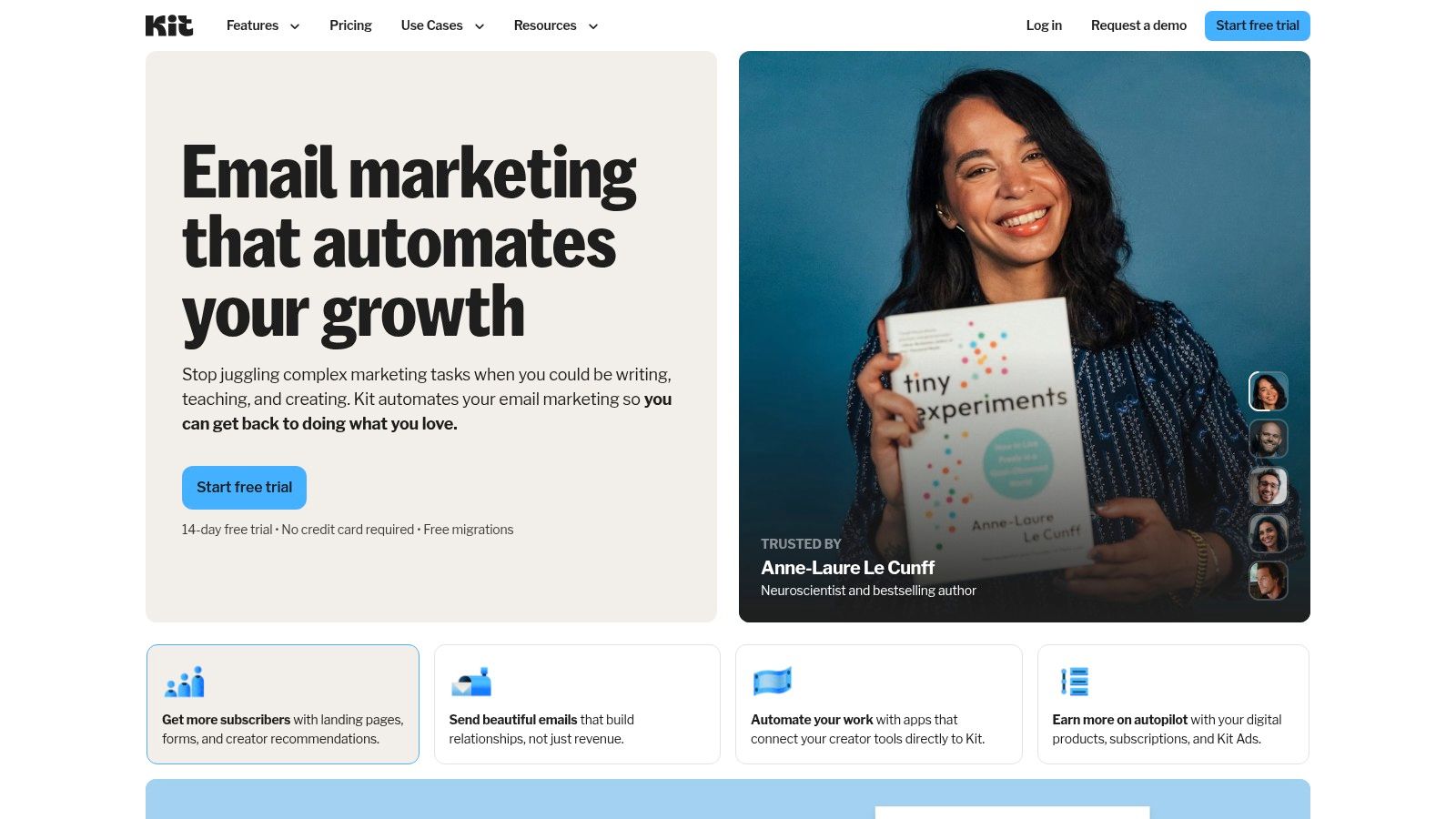
Kit, which you might know by its former name ConvertKit, is a creator-focused email service provider that goes beyond simple subscriptions. It empowers writers to diversify their income streams by integrating powerful email automation with direct sales tools. The platform is designed for creators who want to build a multifaceted business around their newsletter, not just a single paid publication.
Its primary advantage is blending sophisticated email marketing features with built-in commerce. You can sell digital products like ebooks, courses, or paid newsletter subscriptions directly to your audience using ConvertKit Commerce. It also offers a Sponsor Network, which allows newsletters with over 10,000 subscribers to connect with brands for ad placements. This makes it one of the more versatile small newsletter monetization tools for creators aiming for a complete business stack. For example, a food blogger could use Kit to sell a recipe ebook directly to their most engaged readers after an automated welcome sequence.
Core Features & Pricing
Kit's pricing is based on the number of subscribers you have, with features scaling across different tiers.
- ConvertKit Commerce: Sell digital products and paid newsletters with integrated checkout and delivery.
- Sponsor Network: An application-based marketplace to find and place sponsorships in your newsletter.
- Advanced Automations: Use visual builders to create automated email sequences for new subscribers, customer onboarding, and upsell funnels.
- Flexible Segmentation: Tag subscribers based on actions and interests to send highly targeted content.
Pricing: Kit offers a free plan for up to 1,000 subscribers with limited features. Paid plans start at $9/month (Creator) and scale up with subscriber count and feature access. Commerce transactions have a 3.5% + $0.30 fee in addition to Stripe processing fees.
Ideal Use Case
Kit is ideal for the established creator who wants to monetize their audience in multiple ways beyond simple paid subscriptions or sponsorships. If your strategy involves selling digital products, building automated sales funnels, and segmenting your audience for targeted offers, Kit provides the necessary tools in one platform. Managing payments for these digital products is often done via Stripe, and you can see how a Stripe integration for newsletter ads helps streamline the process.
Pros & Cons
- Pro: Excellent for monetizing by selling digital products or courses.
- Pro: Mature and powerful email automation tools for building sales funnels.
- Con: The Sponsor Network has eligibility requirements (10k+ subscribers) and may not be accessible to smaller newsletters.
- Con: Can become more expensive than simpler tools as your list grows.
Website: https://kit.com
6. MailerLite
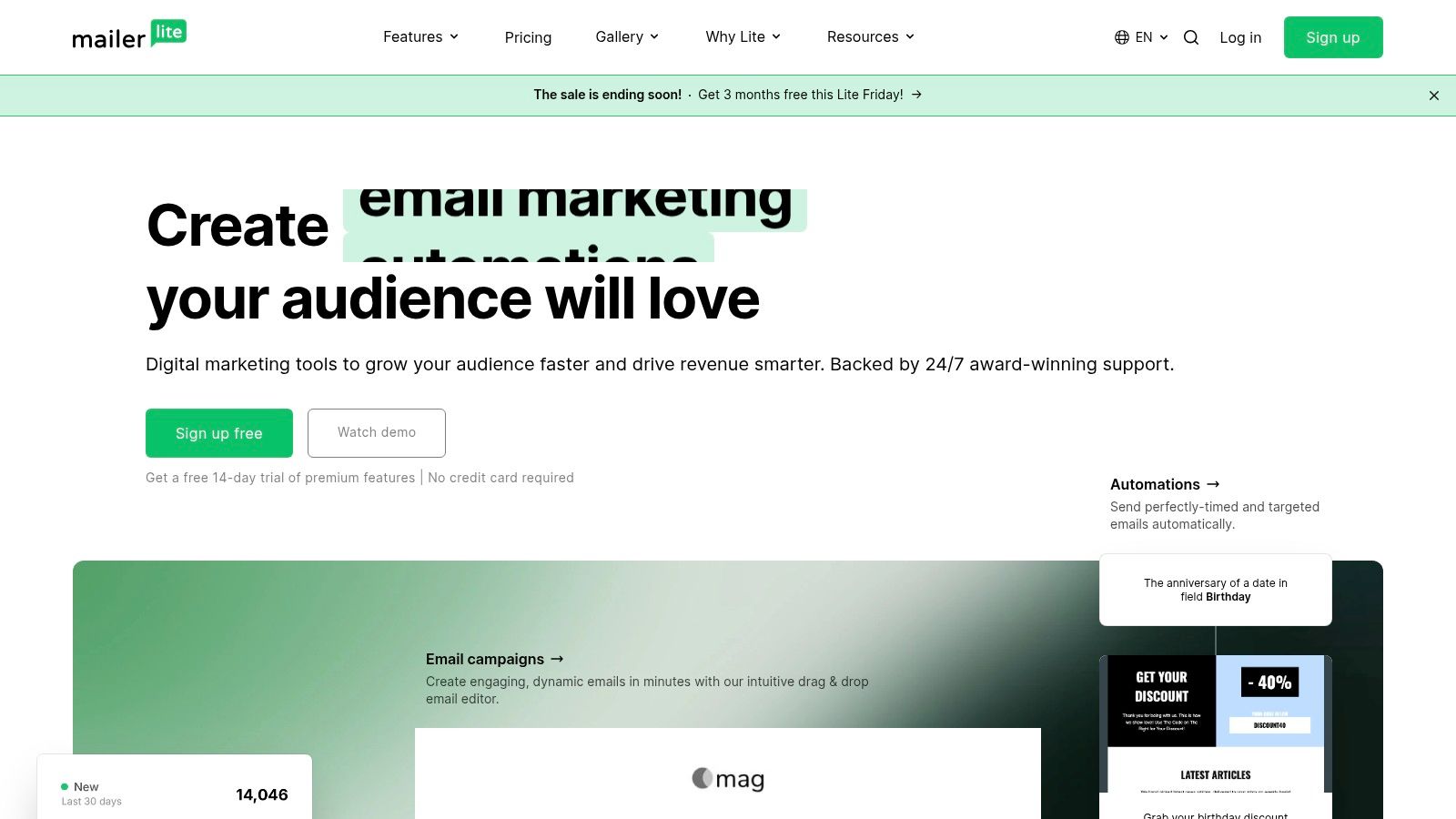
MailerLite is a full-featured email service provider that has evolved into an affordable, all-in-one marketing platform. While known for its user-friendly interface and generous free plan, it has become a strong contender among small newsletter monetization tools by integrating paid newsletter subscriptions directly into its ecosystem. This allows creators to manage their audience, build landing pages, and process payments all within one dashboard.
Its primary advantage is combining powerful automation and segmentation with a simple monetization feature. Unlike platforms focused solely on subscriptions, MailerLite lets you build sophisticated marketing funnels. For example, you can create an automated welcome sequence for new subscribers that offers a discount on your paid newsletter after they have received three free editions. You can also segment free and paid users, sending targeted upsell campaigns to convert your most engaged readers, all without needing a separate monetization tool.
Core Features & Pricing
MailerLite’s pricing is based on subscriber count, with paid features unlocking at higher tiers. The paid newsletter feature is available on all plans, including the free one.
- Paid Newsletter Subscriptions: Integrate with Stripe to sell recurring subscriptions in over 135 currencies.
- Marketing Toolkit: Includes a landing page builder, pop-up forms, and a simple website/blog builder.
- Automation & Segmentation: Create automated email workflows to nurture leads and upsell paid memberships.
Pricing: MailerLite's transaction fee for paid newsletters is 5% per transaction, in addition to standard Stripe processing fees. The platform offers a free plan for up to 1,000 subscribers and 12,000 monthly emails. Paid plans with advanced features start at $10/month.
Ideal Use Case
MailerLite is ideal for creators and small businesses who want a single platform to handle both their email marketing and direct subscription monetization. If you plan to build a sales funnel around your newsletter, using free content to attract leads and then converting them to paid tiers through automated campaigns, MailerLite provides the necessary tools at a very accessible price point.
Pros & Cons
- Pro: Lower cost of entry compared to many advanced ESPs with similar features.
- Pro: Straightforward Stripe monetization is integrated directly, eliminating the need for other tools.
- Con: Lacks a native ad network or sponsorship marketplace like those found on beehiiv or ConvertKit.
- Con: Some of the most advanced automation triggers and features are limited to higher-priced plans.
Website: https://www.mailerlite.com
7. Paved
Paved is an advertising marketplace designed to connect high-quality newsletters with relevant sponsors. It functions as a bridge, removing the friction of manual outreach and negotiation by creating a central hub where brands can discover and book newsletter sponsorships. This makes it an essential tool for creators who want to monetize with ads but lack the time or resources for a dedicated sales effort.
Its primary strength is providing access to a large, pre-vetted pool of advertisers actively looking for newsletter placements. Publishers list their newsletter in the marketplace, setting their own prices for various ad formats. For instance, a newsletter with 15,000 subscribers and a 45% open rate might list a sponsored slot for $500. Brands can then browse, book, and pay directly through the platform, streamlining the entire ad sales workflow. Paved handles the invoicing and payouts, simplifying the administrative side of monetization.
Core Features & Pricing
Paved’s model is based on successful transactions. You only pay when a sponsorship is booked through their platform.
- Sponsorship Marketplace: List your newsletter and get discovered by thousands of active advertisers.
- Automated Workflow: Streamlines booking, approvals, and payments.
- ESP Integrations: Connects with major platforms like Mailchimp, Beehiiv, and ConvertKit for performance tracking.
- Performance Reporting: Provides key metrics like CPM and CPC to help sponsors gauge ROI.
Pricing: Paved takes a commission on each booking made through its marketplace. This fee is typically 10% for direct deals you bring to the platform and can be higher for deals sourced from their marketplace. This is deducted before the payout to the publisher.
Ideal Use Case
Paved is ideal for established newsletters with an engaged audience of at least a few thousand subscribers. If you want to focus on creating great content and let a platform handle the inbound sales and administrative work for sponsorships, Paved is a powerful solution. It is less suited for brand-new newsletters still building their audience, as advertisers on the platform typically look for proven reach and engagement.
Pros & Cons
- Pro: Grants access to a large pool of high-quality, vetted advertisers.
- Pro: Saves significant time on sales outreach, negotiation, and invoicing.
- Con: High competition in the marketplace can put downward pressure on ad rates.
- Con: Paved's commission reduces your total revenue from each sponsorship deal.
Website: https://www.paved.com
8. SparkLoop
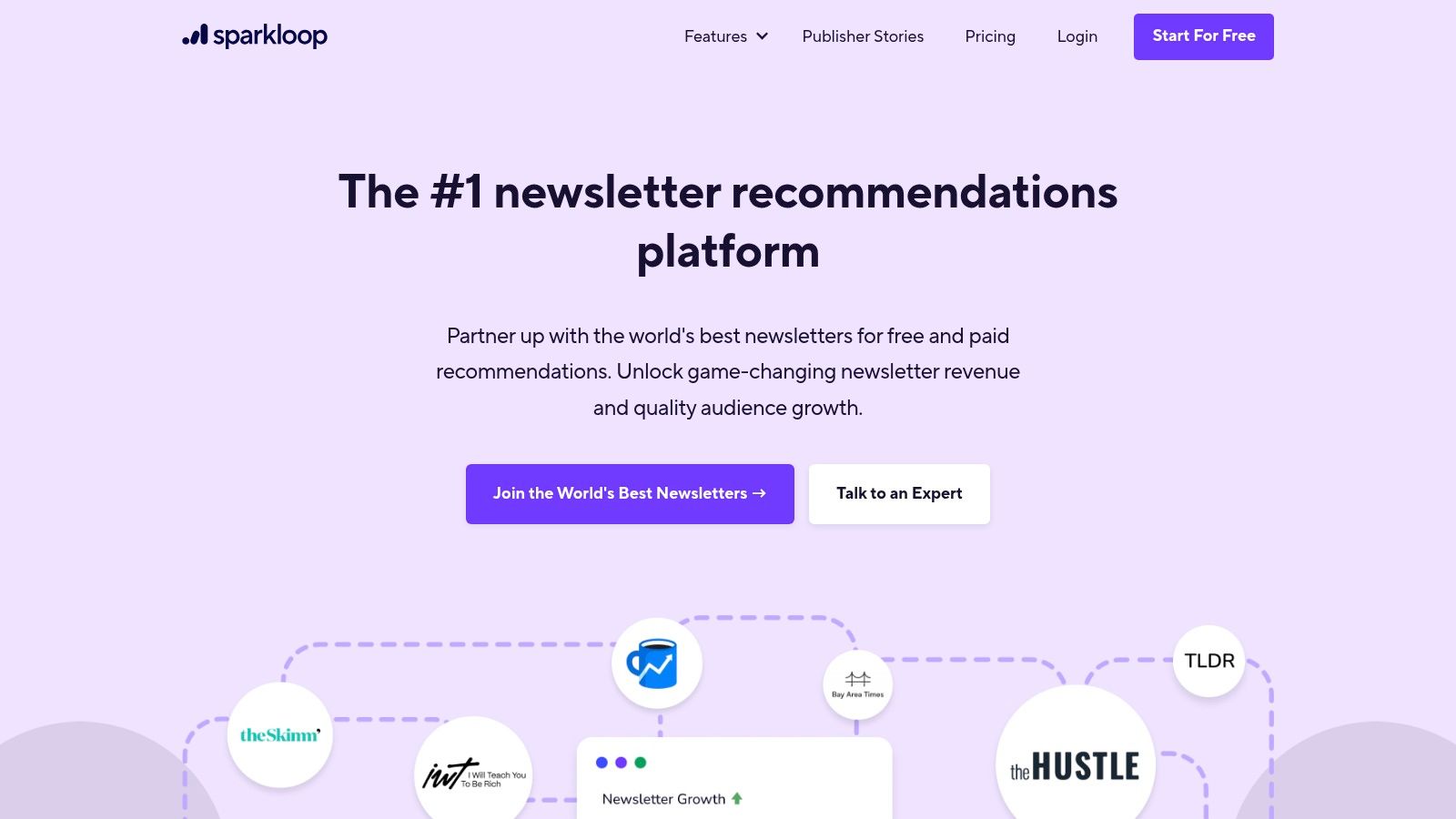
SparkLoop offers a unique, two-pronged approach that intertwines growth with monetization, making it a powerful tool for ambitious creators. Instead of relying solely on your own audience for revenue, SparkLoop allows you to earn money by recommending other high-quality newsletters to your subscribers. This creates a revenue stream that scales directly with your list growth efforts.
The platform is best known for its Partner Network, a marketplace where newsletters can pay each other for new, qualified subscribers. This model turns your sign-up confirmation page and welcome emails into valuable, revenue-generating assets. For example, after someone signs up for your newsletter, a pop-up can recommend three other related newsletters. If the new subscriber opts into one of those, you could earn anywhere from $1 to $4. The Morning Brew, a major media company, famously used a similar referral model to grow to millions of subscribers.
Core Features & Pricing
SparkLoop's ecosystem is built around mutual growth and a pay-for-performance model, ensuring publishers are rewarded for delivering real value.
- Partner Network: Get paid a set fee (e.g., $2.50) for every qualified subscriber you refer to other newsletters.
- Referral Program Suite: Build a custom referral program to reward readers with prizes for sharing your newsletter.
- Anti-Fraud & Quality Control: Advanced systems ensure you only pay for and get paid for legitimate, engaged subscribers.
- Simple Payouts: Receive weekly payouts directly to your bank account via Stripe Express.
Pricing: The Partner Network is free to join, and you keep 70% of the revenue you generate from recommendations. The referral program product, SparkLoop Upscribe, has separate pricing plans, typically starting around $2,000 per year.
Ideal Use Case
SparkLoop is ideal for small to medium-sized newsletters looking for alternative small newsletter monetization tools beyond sponsorships or subscriptions. If you want to monetize your audience from day one without charging them, the Partner Network is a perfect fit. It is especially effective for creators focused on rapid, sustainable growth who want to reinvest their earnings back into acquiring new readers.
Pros & Cons
- Pro: Monetize even a small but engaged list by recommending other newsletters.
- Pro: Strong anti-fraud and quality safeguards protect both publishers and brands.
- Con: Partner program earnings can fluctuate based on advertiser budgets and audience screening.
- Con: The dedicated referral program product is a powerful but costly add-on.
Website: https://sparkloop.app
9. Letterhead
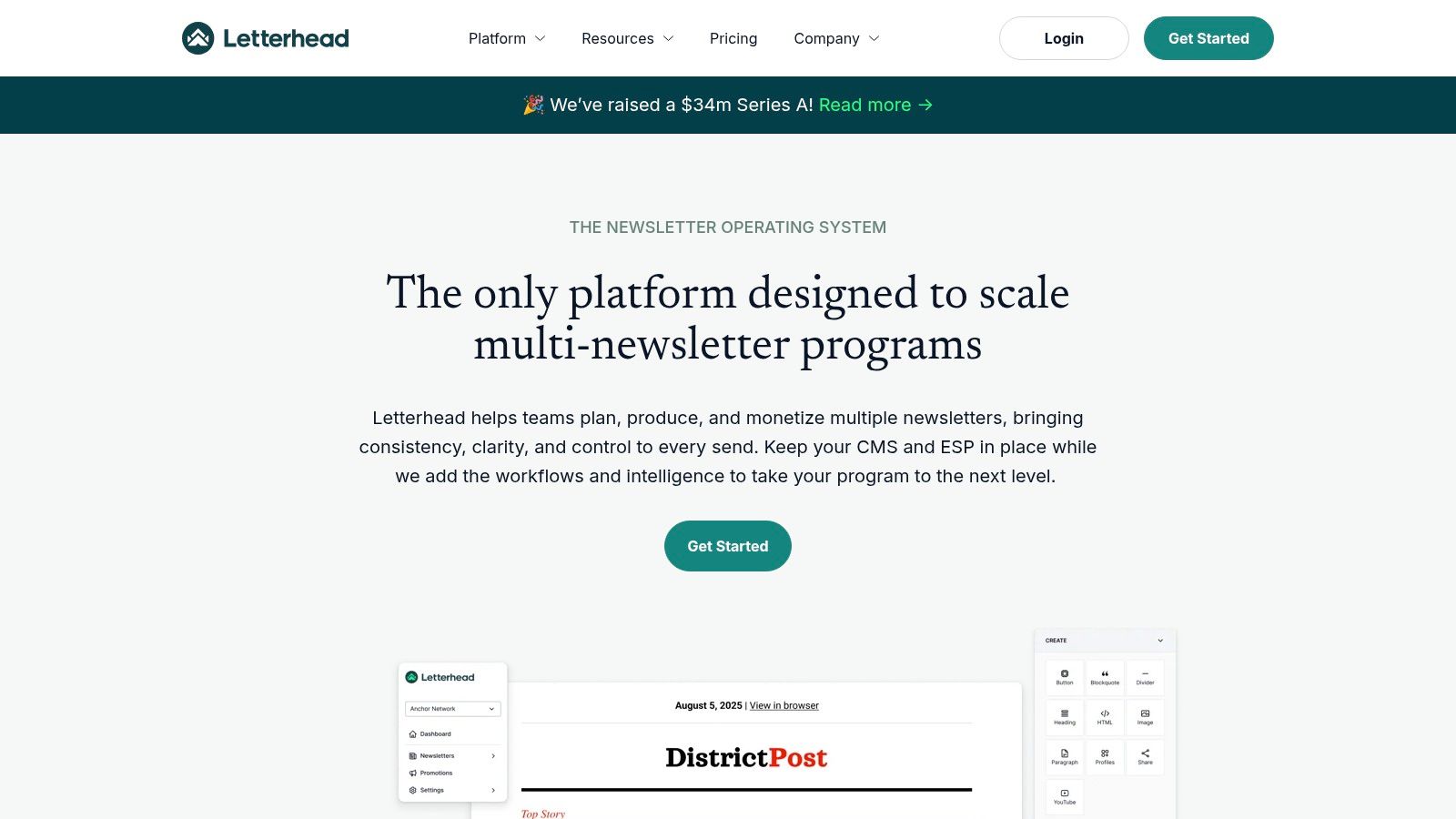
Letterhead is an operational layer designed for publishers who are serious about selling advertising but want to stay on their current email platform. Instead of being an all-in-one solution, it acts as a powerful ad management system that integrates with your existing tools. This provides a structured workflow for selling, placing, and tracking sponsorships across one or multiple newsletters.
Its main advantage is bringing professional-grade ad operations to small and medium-sized publishers without forcing a platform migration. Letterhead centralizes inventory management, automates ad slot injection, and offers portfolio-level analytics. For example, a creator collective running three different newsletters can use Letterhead to see their combined ad revenue and sell bundled sponsorship packages to advertisers. This is a significant step up from managing campaigns in spreadsheets.
Core Features & Pricing
Letterhead focuses on the entire ad sales lifecycle, from inventory management to post-campaign reporting.
- Centralized Ad Inventory: Manage and track available ad slots across all your newsletters from a single dashboard.
- Automated Ad Injection: Use a Chrome extension and smart tags to easily place ad creatives into your email editor.
- Portfolio-Level Analytics: Get a unified view of ad performance and revenue across multiple publications.
- Multi-Title Governance: Standardize ad operations and workflows for teams running several newsletters.
Pricing: Letterhead uses a custom, sales-driven pricing model. It is best suited for publishers with established ad revenue or those managing multiple titles where the efficiency gains justify the investment. Expect pricing to be in the range of several hundred dollars per month.
Ideal Use Case
Letterhead is perfect for established publishers, media operators, or creator teams running multiple newsletters who need to streamline their advertising operations. If you are already on a platform like Mailchimp or ConvertKit and your primary monetization method is direct-sold sponsorships, Letterhead provides the missing ad-ops infrastructure. It replaces manual tracking and coordination with a purpose-built system.
Pros & Cons
- Pro: Works with your existing email service provider, so no migration is necessary.
- Pro: Offers a purpose-built workflow for selling and placing ads efficiently.
- Con: Custom pricing may be a barrier for solo creators just starting with monetization.
- Con: Can be overly complex for single-author newsletters with infrequent sponsors.
Website: https://www.tryletterhead.com
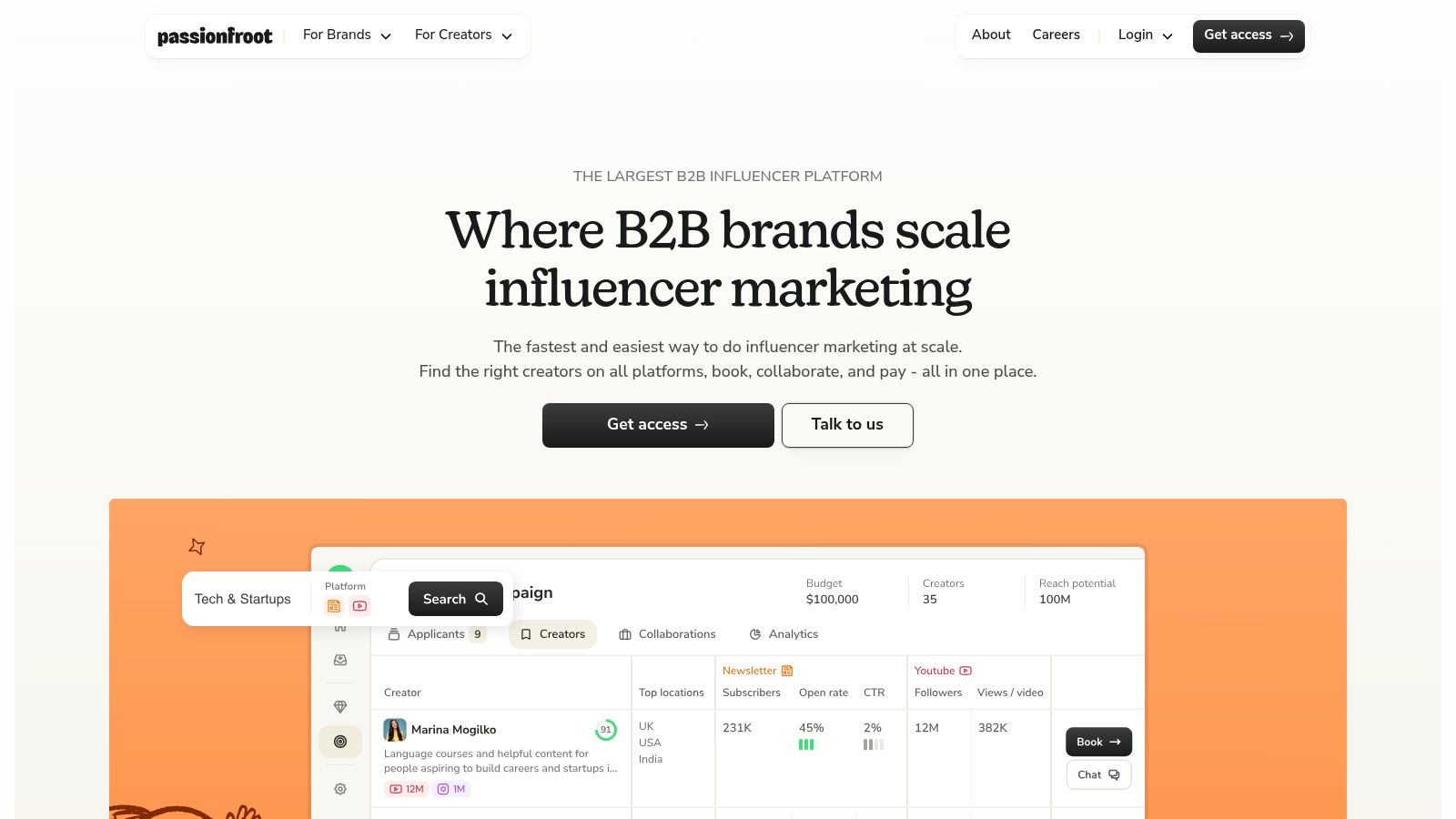
10. Passionfroot
Passionfroot is a creator-focused platform designed to streamline the entire sponsorship workflow. It empowers newsletter operators to create a professional, public-facing storefront where brands can directly browse, book, and pay for sponsorship packages. This shifts the process from manual back-and-forth emails to an automated, e-commerce-like experience.
The platform's main advantage is its ability to centralize inbound sponsorship interest. Instead of managing inquiries via a messy inbox, you can direct potential partners to a clean, branded page that lists your ad products, availability, and pricing. Imagine a brand visiting your page and seeing "Main Sponsorship: $600 – Next Available: July 15" and being able to book it on the spot. This professionalizes your operation and reduces the administrative burden, making it one of the most efficient small newsletter monetization tools for managing direct-sold ads.
Core Features & Pricing
Passionfroot’s pricing is structured to be creator-friendly, with a focus on commissions rather than fixed monthly fees.
- Public Sponsorship Storefront: List sponsorship packages with live availability calendars.
- Integrated Workflow: Manage bookings, invoicing, payments, and content review in one place.
- Partner Network: Get access to potential brand deals sourced by the Passionfroot team.
- Collaboration Tools: Works for solo creators or teams managing multiple newsletters.
Pricing: Passionfroot is free for creators to use for self-sourced deals. It operates on a brand-pays fee model, where a 5% service fee and a 3% payment processing fee are added to the invoice for the brand. For deals sourced through Passionfroot's network, a higher commission (typically 15-20%) is taken from the creator's payout.
Ideal Use Case
Passionfroot is ideal for newsletter creators who are actively selling sponsorships and want to automate their inbound sales process. If you receive regular sponsorship inquiries but are tired of managing them through spreadsheets and email chains, this tool provides a polished and professional solution. It is particularly useful for those who want to present a clear menu of options to potential advertisers without a high upfront cost.
Pros & Cons
- Pro: No monthly fee for managing your own self-sourced sponsorship deals.
- Pro: Creates a highly professional and clean inbound sales page for sponsors.
- Con: Commission on marketplace-sourced deals can be significantly higher.
- Con: Less focused on other monetization methods like subscriptions or affiliates.
Website: https://www.passionfroot.me
11. Gumroad
Gumroad is a simple e-commerce platform that enables creators to sell digital products and memberships directly to their newsletter audience. It's designed for speed and simplicity. It allows you to monetize beyond subscriptions by offering one-off products like ebooks, courses, or templates without a complex technical setup.
Its key advantage is its role as a merchant of record. This means Gumroad handles global sales tax, VAT, and compliance, a significant burden lifted for solo creators selling to a worldwide audience. For example, a creator can sell a $29 Notion template to customers in the US, UK, and Australia without having to calculate and remit different sales taxes for each location. You can quickly create a product page, link it from your newsletter, and let Gumroad manage the entire checkout and delivery process.
Core Features & Pricing
Gumroad's pricing is transaction-based. This means there are no monthly fees to worry about, making it accessible for creators just starting to sell products.
- Flexible Product Types: Sell one-time digital downloads, recurring memberships, or physical goods.
- Hosted Checkout Pages: Simple, clean, and effective landing pages you can link directly from your emails.
- Built-in Affiliate Support: Easily create and manage an affiliate program to let your audience promote your products.
- Merchant of Record: Gumroad handles all global sales tax and VAT compliance for you.
Pricing: Gumroad charges a flat 10% fee on each transaction. This fee does not include payment processing fees from Stripe or PayPal.
Ideal Use Case
Gumroad is perfect for newsletter creators who want to monetize by selling digital products like ebooks, video courses, or Notion templates. If your strategy involves creating valuable assets for your audience and you want the absolute easiest way to sell them globally without worrying about sales tax complexities, Gumroad is an excellent choice. It’s less suited for those focused only on paid subscriptions.
Pros & Cons
- Pro: Extremely easy and fast to launch digital products with no monthly fees.
- Pro: The merchant-of-record model simplifies worldwide taxes and compliance.
- Con: The 10% transaction fee is higher than using a direct Stripe checkout on your own site.
- Con: Limited customization options for product pages compared to a full e-commerce platform.
Website: https://gumroad.com
12. Memberful
Memberful is a powerful membership software acquired by Patreon. It's designed for creators who want to add a flexible subscription or paywall system to their existing website and email setup. Instead of being an all-in-one platform, it acts as a monetization layer that integrates with the tools you already use. This gives you complete control over your brand, content, and tech stack. This makes it one of the most adaptable small newsletter monetization tools for established creators.
Its primary strength lies in its flexibility. You can use it to gate content on your website, sell access to a private podcast, or sync paying members directly to your preferred Email Service Provider (ESP) like Mailchimp or ConvertKit. For example, a writer using WordPress can use Memberful to create a "members-only" section on their blog and automatically add anyone who pays to a special "VIP" list in ConvertKit. You can explore how it compares to the best membership site platforms available.
Core Features & Pricing
Memberful offers robust tools for managing a recurring revenue business, with plans that scale as you grow.
- ESP Integration: Syncs paying members to leading email platforms, letting you manage paid and free lists from one place.
- Website Gating: Easily restrict access to pages and posts on your existing site.
- Flexible Tiers: Create multiple membership levels with different perks, coupons, and free trials.
- Group Subscriptions: Supports corporate or team plans, opening up B2B revenue opportunities.
Pricing: Memberful’s Pro plan is $25/month + a 4.9% transaction fee. A Premium plan at $100/month offers a lower 2.9% fee. Stripe’s standard payment processing fees apply on top of this.
Ideal Use Case
Memberful is perfect for the established creator or publisher who already has a website and an email provider they love. If you want to add paid subscriptions without migrating your entire operation to a new platform, or if you plan to offer members-only content beyond the newsletter (like courses or a private community), Memberful provides the necessary connections to make it seamless.
Pros & Cons
- Pro: You retain full control over your brand, website, and choice of email tools.
- Pro: Mature payment and invoicing features handle recurring revenue smoothly.
- Con: Requires more initial setup and configuration than turnkey solutions like Substack.
- Con: The combined monthly and transaction fees can be more expensive than some integrated platforms.
Website: https://memberful.com
Top 12 Newsletter Monetization Tools
| Product | Core features | UX / Quality (★) | Pricing / Value (💰) | Target audience & USP (👥 ✨) |
|---|---|---|---|---|
| Ad Slots 🏆 | Calendar-first slot tracking; Stripe invoice sync; AI ad copy; fast setup ✨ | ★★★★☆ | 💰 Free Starter; Growth $49/mo — high automation ROI | 👥 Newsletter creators & small teams; ✨ Automates ad ops, prevents missed placements, scales sponsors |
| Substack | Integrated publishing, paid tiers, email delivery, discovery | ★★★★☆ | 💰 10% platform fee + Stripe fees | 👥 Solo creators; ✨ Fastest path to paid newsletters |
| beehiiv | Ad Network, Boosts, direct sponsorship storefronts, analytics | ★★★★☆ | 💰 Free/paid plans; Ad Network on Scale (paid) | 👥 Growing creators; ✨ Built-in ad sales & growth tools |
| Ghost (Ghost(Pro)) | Open-source publishing, memberships, Stripe payments | ★★★★☆ | 💰 Hosted plans; 0% platform fee (Stripe fees apply) | 👥 Brand-focused creators; ✨ Full control & strong branding |
| Kit (ConvertKit) | Email automation, commerce, Sponsor Network | ★★★★☆ | 💰 Paid tiers (recent increases) | 👥 Creators who sell products & need automations; ✨ Commerce + sponsor placements |
| MailerLite | Paid subs via Stripe, landing pages, automations | ★★★☆☆ | 💰 Low-cost plans — budget-friendly | 👥 Indie creators/small teams; ✨ Affordable Stripe monetization |
| Paved | Publisher-advertiser marketplace; ESP integrations; reporting | ★★★☆☆ | 💰 Marketplace cut varies | 👥 Publishers wanting inbound ads; ✨ Access to vetted advertisers |
| SparkLoop | Paid recommendations, referral programs, anti-fraud controls | ★★★☆☆ | 💰 Earnings vary; referral product ~ $2k/yr | 👥 Small/medium newsletters; ✨ Earn per referred subscriber |
| Letterhead | Centralized ad inventory, auto-inject, portfolio analytics | ★★★★☆ | 💰 Custom pricing (sales-driven) | 👥 Multi-title publishers; ✨ Enterprise ad ops without migration |
| Passionfroot | Public sponsorship storefront, invoicing, partner network | ★★★☆☆ | 💰 No monthly fee; commission on marketplace deals | 👥 Creators wanting a storefront; ✨ Self-serve sponsor booking & payments |
| Gumroad | Sell digital products/memberships, hosted checkout, affiliates | ★★★★☆ | 💰 No monthly fee; higher take (≈10% + $0.50/tx) | 👥 Creators selling products; ✨ Fast launch + merchant-of-record |
| Memberful | Memberships/paywalls, ESP sync, group subs & coupons | ★★★★☆ | 💰 Platform fee + Stripe fees | 👥 Teams wanting membership control; ✨ Flexible membership & integrations |
Stop Juggling, Start Monetizing
The journey from a passion project to a profitable newsletter is rarely a straight line. It is paved with choices, experiments, and a whole lot of hard work. As we've explored, the landscape of small newsletter monetization tools has exploded, offering solutions for nearly every strategy imaginable. The overwhelming feeling of having too many options is real, but the core takeaway is simple: you no longer need to piece together a clunky, time-consuming system.
The days of tracking ad inventory in a chaotic spreadsheet or manually chasing invoices from sponsors are over. The modern creator's toolkit replaces manual labor with streamlined, automated systems, giving you back your most valuable resource: time. Your focus should be on creating content that your audience loves and trusts, not on administrative busywork.
Your Next Move: Choosing Your Monetization Stack
Navigating this list can feel like picking a path at a crossroads. The right choice depends entirely on where you are today and where you want to go tomorrow. Let's break down the decision-making process into actionable steps based on common creator scenarios.
-
If You're Just Starting Out: Your primary goal is simplicity and low cost. A platform with integrated monetization like Substack or beehiiv is your best bet. You can validate your idea with a free newsletter, and when you're ready to launch paid subscriptions, the feature is just a click away. This approach minimizes technical hurdles and lets you focus purely on content and audience growth.
-
If You're Focused on Sponsorships: This is where specialized tools shine. If you want to sell direct sponsorships and automate the booking, billing, and ad delivery process, a platform like Ad Slots or Letterhead is a game-changer. These tools transform your manual ad ops into a professional, self-serve marketplace. For those looking to connect with a wider network of brands, a marketplace like Paved opens doors you might not find on your own.
-
If You're Building a Community: Monetization is not just about ads or subscriptions; it is about value. Tools like Memberful or Ghost (with its robust membership features) are designed for this. They allow you to create tiered access, offer exclusive content, and build a true community around your work, which often leads to higher reader loyalty and lifetime value. A reader who feels like part of a club is far more likely to stick around.
-
If You're Selling Digital Products: Do not limit your thinking to recurring revenue. Your newsletter is a powerful sales funnel. Using a tool like Gumroad or Kit (formerly ConvertKit) lets you sell ebooks, courses, or templates directly to your most engaged audience. This diversifies your income and provides one-off revenue boosts that can be crucial for small creators.
The most important step is to pick one primary monetization strategy and select the tool that best supports it. Do not try to implement five different tools at once. Start with one, master it, and build from a place of strength. Remember, the perfect tool for a newsletter with 50,000 subscribers and a dedicated sales team is likely overkill for a solo creator with 1,000 loyal fans. Match the tool to your current reality, not just your future ambition. Your strategy will evolve, and you can always adapt your toolkit later.
Ready to eliminate the administrative headache of selling sponsorships? Ad Slots is designed specifically for newsletter creators who want to automate their ad sales. It provides a self-serve booking portal, manages inventory, and handles invoicing, so you can focus on writing great content. Check out Ad Slots to build your own professional ad storefront in minutes.